A different kind of medicine, a different kind of doctor
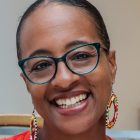
Hello there! My name is Ayanna Quamina and I’m a Naturopathic Doctor. Although it’s based on a very traditional form of medicine and has been around for decades, it’s not super well known as an option for health care. So, because I’ll be writing a regular column for MSR, I thought it would be helpful to first fill you in a bit about my story.
Background

I’ve always known I wanted to be a doctor. However, that got sidetracked in high school after I interviewed about half a dozen MDs (Doctor of Medicine), who’d advised me against doing medicine because I told them “I wanted to help heal people.” They meant well, just said it wouldn’t be easy due to the time limitations, high stress, and insurance hoops we all know about today.
Fast-forward three years and I was living in Los Angeles, frustrated and uninspired from working in the music business, realizing they weren’t interested in supporting the people who actually made the music. I remember sitting at my cubicle one night, desperately searching the internet for my perfect career and stumbling upon Naturopathic Medicine.
I was so excited! After years of going back and forth, I’d finally found what my heart and intellect had been looking for. I moved back home (to Minnesota), applied to my school of choice, and I’ve been helping people heal for the past 16+ years.
Naturopathy?
Naturopathic medicine is a distinct health care profession that emphasizes prevention, treatment, and optimal health. We use therapeutic methods to encourage each patient’s own self-healing process; all based on a combination of modern and traditional protocols.
We are all honor-bound by ”Six Principles of Naturopathic Medicine” —the foundation of our medical education and patient care:
Do No Harm (Primum Non Nocere)
Naturopathic physicians follow three guidelines to avoid harming our patients:
- Utilize methods and medicinal substances that minimize the risk of harmful side effects, and use the least force necessary to diagnose and treat.
- Whenever possible, avoid the harmful suppression of symptoms.
- Acknowledge, respect, and work with each individual’s self-healing process.
The Healing Power of Nature (Vis Medicatrix Naturae)
Naturopathic medicine recognizes that there is an intrinsic self-healing process in everyone. We work to identify and remove the obstacles for healing and recovery, and our overall intention and approach is to support that self-healing process.
Identify and Treat the Causes (Tolle Causam)
Naturopathic physicians identify and remove the underlying causes of illness, rather than eliminate or suppress just the symptoms.
Doctor as Teacher (Docere)
We educate our patients and encourage autonomy and self-empowerment of their own health. We also recognize the therapeutic value of maintaining a positive doctor-patient relationship.
Treat the Whole Person
Naturopathic physicians treat each patient by taking into account their individual physical, mental, emotional, genetic, environmental, social and spiritual factors. We understand that all of these areas can play an important part of each person’s overall health.
Prevention
Naturopathic doctors (NDs) emphasize the prevention of disease by assessing each patient’s overall risk factors, heredity, and susceptibility; and we identify and assess appropriate interventions with our patients to help prevent future illness.
Similarities to other doctors
There are a few things Naturopathic Doctors have in common with other medical practitioners, like MDs or DOs (Doctor of Osteopathic):
1. We attend a four-year accredited, graduate-level medical school.
2. We spend the first two years learning the same biomedical sciences, and the second two applying what we’ve learned in a clinical setting.
3. We take professional board exams, have a regulatory medical board, and have to complete at least 25 hours of continuing education every year in order to maintain our license or registration.
We also have some differences.
Differences from other doctors
1. In addition to the biomedical sciences, naturopathic medical curriculum includes clinical nutrition, physical medicine, acupuncture, homeopathic medicine, botanical medicine, psychology, hydrotherapy, and counseling.
2. Each state has its own regulations that define the scope of practice for the Naturopathic doctors that practice there. For instance, an ND practicing in California can prescribe pharmaceutical medication and give IV treatments, whereas registered Minnesotan NDs order diagnostic labs and tend to focus more on nutrition, counseling, and supplementation.
We are also different from other alternative practitioners. Over the years I’ve been called by multiple titles like naturopath, homeopath, naprapath. Unfortunately, all of these are incorrect.
What you can count on a Naturopathic Doctor for
Naturopathic doctors are trained to treat all medical conditions, ages and backgrounds, but most tend to focus on a particular population or treatment area. Some of the most common conditions I treat are those related to digestive symptoms, hormone imbalance, diabetes, high blood pressure, cholesterol imbalance, mental health, stress management, and sleep support, among others.
So, why would you see a Naturopathic Doctor?
1. You want a doctor who will treat you, not just your illness.
2. You want personalized treatment.
3. You want to treat the root cause of an illness, not just the symptoms.
4. You want to actively participate in managing your own health.
5. You have a condition or diagnosis and want options other than pharmaceuticals.
If you are interested in finding a Naturopathic Doctor, check out the AANP (www.naturopathic.org), MNANP (www.mnanp.org), or connect with me directly at www.drayannaq.com/